Aesthetics as Identity Signaling
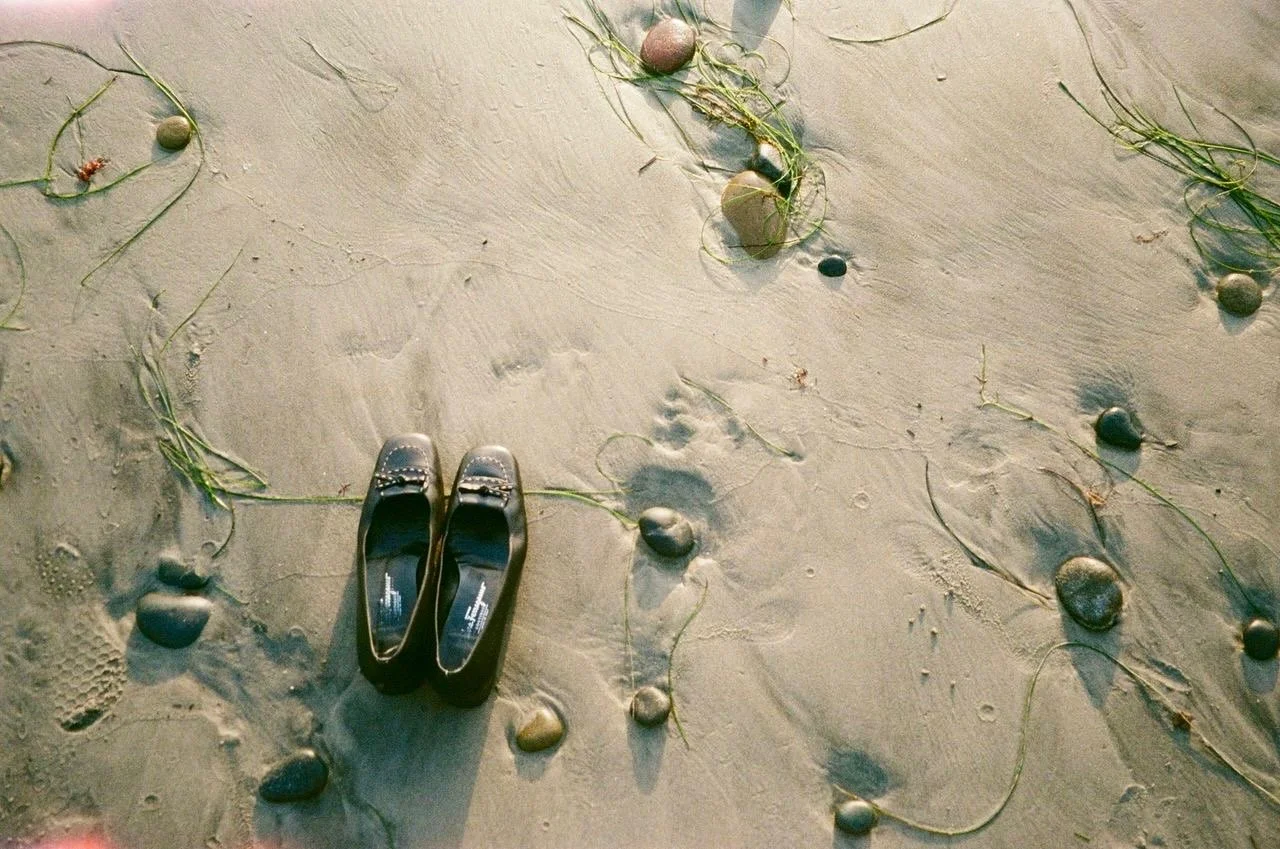
Coherence, Not Curation
Your aesthetic is nervous system signaling. Defining your “aesthetic” requires self-embodiment, and self-trust. An inner knowing that signifies this is who I am. It’s not something that can be defined over-night, and rather I'd advise against trying. Understanding your aesthetic must be approached with a non-judgmental lens, where you begin to discover certain patterns and trends you gravitate towards naturally, consciously, and continuously. Over time, you will recognize these emerging themes within your choices, slowly beginning to constellate your inner constitution outward.
There is an emotional memory associated with the formation of your aesthetic. For me, I now live a bi-coastal life. I was raised in San Diego, but for the majority of my adult life I’ve lived in cities, now residing in NYC. A significant contribution of my aesthetic leans between the convergence of beach culture, and city life, both tied to positive emotional memory within my lived experiences. Places where my nervous system perceives as safe, as well as places where I feel most aligned to my true self, and encourage my own self expansion.
Over time my aesthetic preferences became less granular and more specified, reflecting the current state and phase I’m in. I discovered my city aesthetic was specifically, city life with a slower pace, more European lifestyle leaning. This reveals the stimulation thresholds that align with current nervous system stature; as I became less consumed with identifying in hustle culture, and proving as a means of production. I shifted internally to a softer, more integrated approach in the structure of my day-to-day life. I began to feel calmer, naturally pausing and slowing down. This internal pace then became reflective in the choices in my personal life - the activities I chose, the men I dated, how I consume as a consumer, and the pace of life I seek to live. My internal attributions expressed themselves outward, and my life began to materialize as such.
I started living more through a European lens, even with my current NYC environment. A subgroup of my original aesthetic emerged, and a deeper sense of self-identification followed along with it. This subgroup further revealed the internal growth, through making choices and decisions that aligned with and regulated my nervous system. By regulating my nervous system, I began to establish the internal clarity of discovering the choices that resonate the most with my true identity, rather than trying to intellectualize what I like or didn’t like, following trends, or making decisions from preconceived notions rooted in fear. I began to quietly listen to the internal compass, posing a deeper question than my likes/dislikes: what represents me consciously? I sought to clear my head of pre-existing narratives of myself and begin to make choices based on how I was feeling within myself. I challenged the existing perspectives in my head. Do I like this brand just because it’s the first one to reach my feed, or is there a deeper alignment that resonates?
Being present and not judging yourself on things that you find naturally interesting, that maybe don’t necessarily fit the norm, you begin to re-wire preconceived notions of yourself motivated and steered from fear - which creates a false sense of alignment. Instead, you begin to start living for yourself through the choices that feel the most aligned to you, and your life slowly starts to transform into your desired aesthetic, into its own reality. For example, "I want to be a creative person who makes art" -- you’ll naturally, subconsciously start choosing places and things that align with such self-identification.This is because you feel good surrounding yourself in a world that truly reflects who you are at your core. That’s your body’s intelligence working in motion. And soon, you realize your wants and desires of being a creative person who makes art, dissipate, and you slowly recognize that this is who you are. The conscious thought process is no longer a conscious act, but an integration of your calibrated identity. Your personal preferences reveal this identity through repetition. Your identity then externalizes into your aesthetics and lifestyle.
That sounds like a simple task, but it can be very difficult to prioritize yourself in a world full of distractions. This is something I naturally struggle with, I compromise my personal responsibilities at the expense of others. But this creates a dissonance within because I am abandoning my own needs, wants, and desires. My life then results from choices I make for others, not myself. This creates a lack of congruency, and my choices veer from my true identity.
It's a difficult inclination to rewire, but small ways of investing in yourself, in turn, calm your nervous system, because you are living in congruence -- new neuroplasticity. I found myself questioning: what's cooler, following a trend or having a signature? It was apparent, in this format, the latter wins. But in practice it's not that simple. Investing in a signature piece is an example of choosing myself, an embodied choice. But finding and understanding your signature is the antithesis of impulse shopping.
Collectively speaking, a disconnected individual is the perfect consumer to sell to. Publicity thrives off a fragmented public, where products are positioned as the solution, but we all know the void never fills. Will the ever-emerging trend cycle shift in polarity, where conscious buying becomes the norm? But, that's a topic for a different time.
For me, my true first signature piece was a vintage Fendi baguette. I never had a designer purse, and I'd always had a strong affinity for vintage and archival designer pieces. Still, a small part of me always felt undeserving, not quite there yet to allow myself this. I knew I wanted a staple item I could wear easily, one that reflected the person and direction I was becoming. And honestly, I've worked so hard my entire life. Investing in myself is an embodied decision.
I began to reverse-engineer the purchase, deriving the core theme within my identity. I knew for certain I wanted it to be vintage: first, because that fit the level of investment I felt emotionally comfortable with at the time; second, because I truly love the look and design of vintage purses; and third, because I wanted something practical, able to hold a bunch of things. It took me months of browsing, and this matters, because it removes the urgency for quick purchases. The kind that fuel us with a quick dopamine hit only to end up sitting in the corner of the closet, never acknowledged again. Removing that urgency let me observe, clearly, what styles and brands kept emerging as I browsed. First I decided on the color: black, a staple, timeless, something that goes with everything. Then I decided on the brand, Fendi. Timely, classic, unique enough, but trusted. It encompassed the attributes within myself, through a physical, tangible reality.
The item itself doesn't signify much at first glance, but it inadvertently communicated, to myself and to those around me, that I accept and expect a higher level of investment, because this is the standard I've set for myself. Once that's established internally and confirmed through external projection, it's difficult to compromise on. The bag moved from a material object to a representation of the stature I've situated myself in and those who belong in my life will align with and respect that.
When I found the perfect bag, within my emotional comfort price range, I didn't buy it immediately. I tried it on, observed, and went home empty-handed. Was this true desire, or in-the-moment excitement? I knew clarity would confirm it with time. I didn't fear the purse would be gone by the next day, if it was, it was never mine to begin with. When I went back the next day, it was waiting for me. Taking the time to sit with this decision, after months of research, further exemplified the higher level of self-trust and self-respect I've incorporated into my daily life and decisions.
This purchase signified a new era of my life, and the caliber I had situated myself in, even if I'd always thought highly of myself, this was the first time I communicated it externally. This item became an identity signifier, not just a designer purse purchase, but an extension of a new caliber. I am no longer seeking quick transactions, not from a consumer mindset, and not in the people I interact with. This inadvertently communicates more sincerity and intention to those I attract into my world. This isn't something outwardly acknowledged by others right away, it's something that permeates each interaction, choice, activity, and shared moment. I am more assured of myself, and of others acting in accordance, because otherwise they simply won't stick around. This doesn't have to be dramatic; it can simply resemble the flow of life, where what matches me internally naturally stays. That's the resonance of it all.
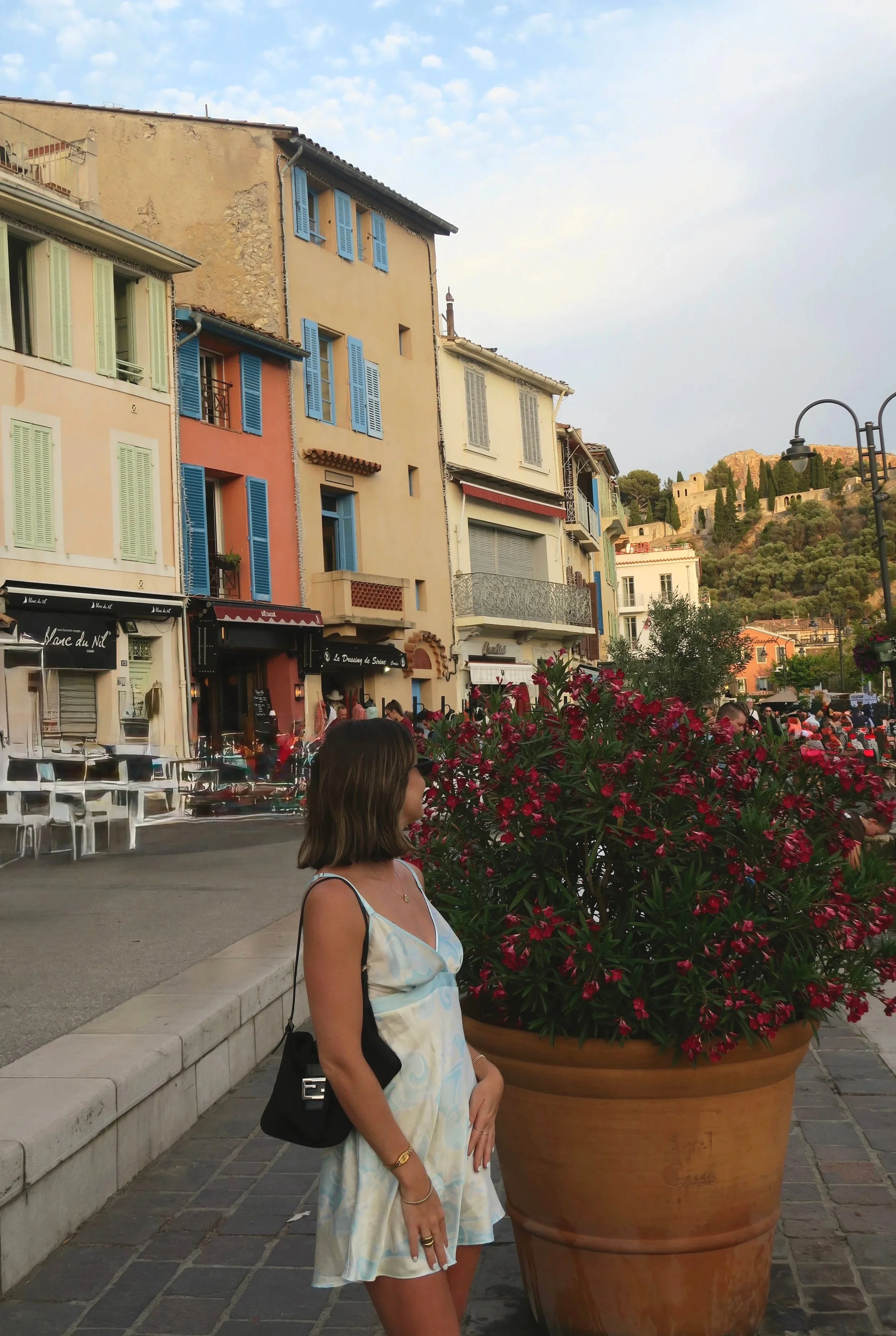
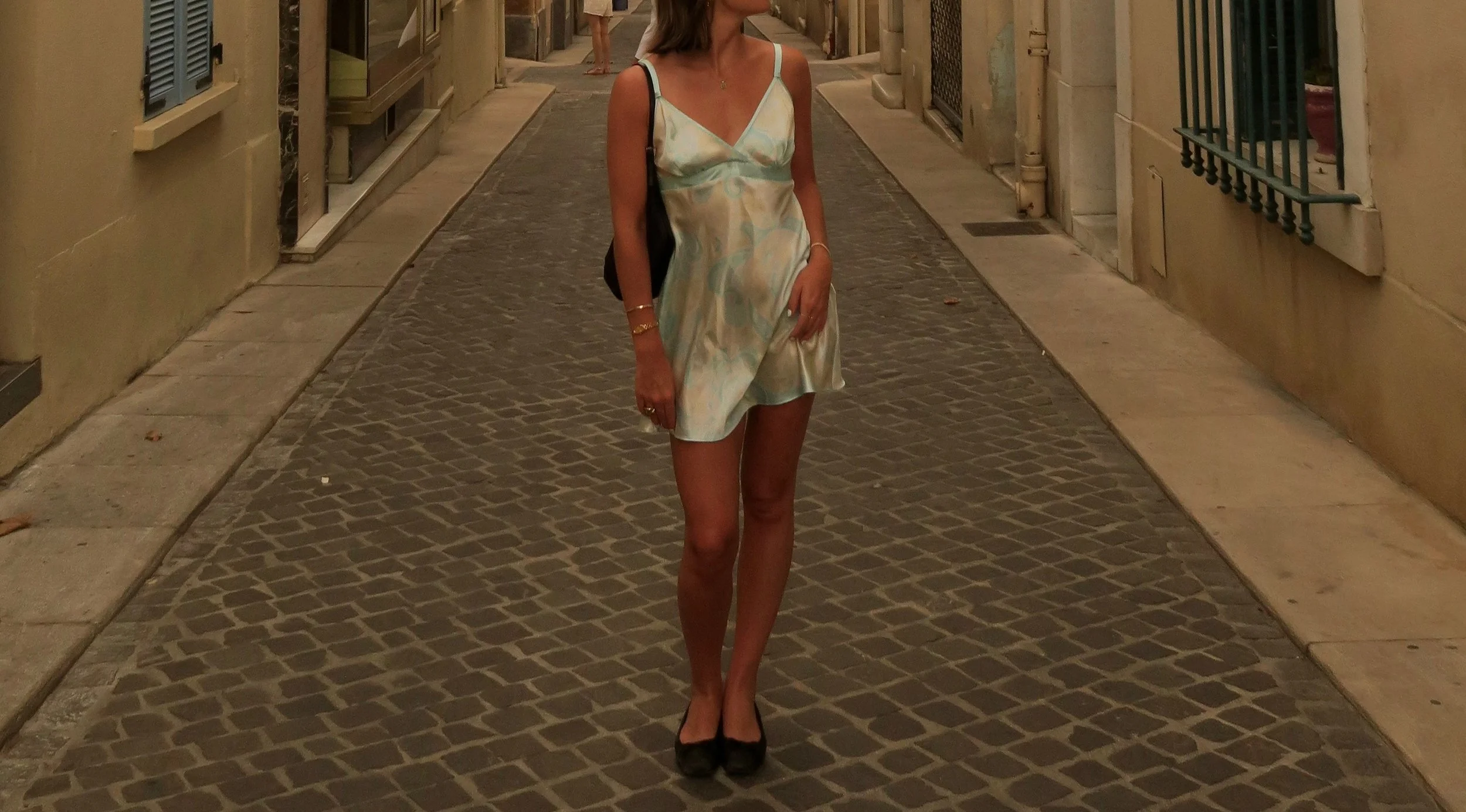
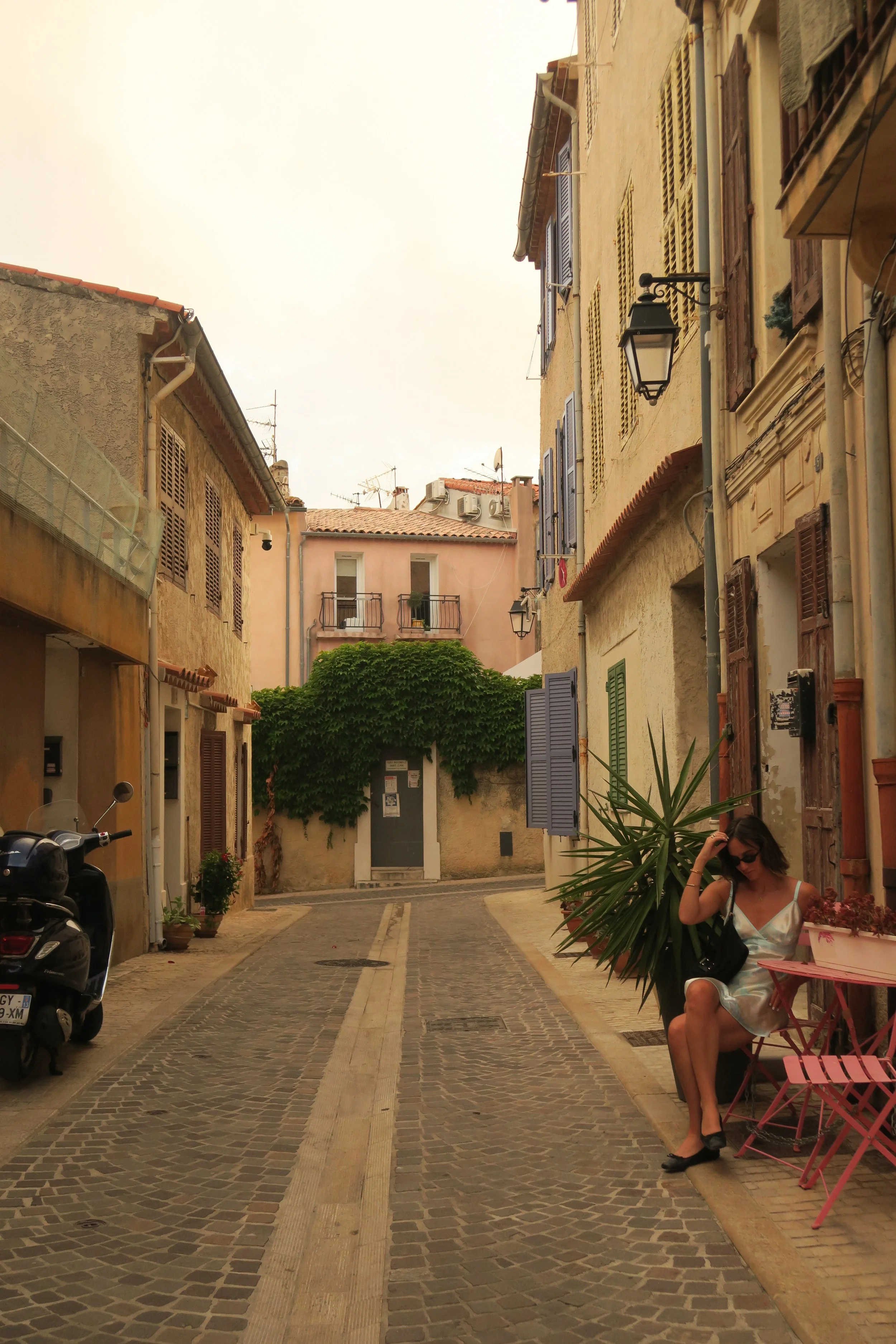
Your aesthetic, then, moves beyond the material choices that make up the life around you. It incorporates the people you interact with, how you treat yourself and others, how people treat you in return, and the places you find yourself occupying. This becomes your coherence.
I think as a society today, we put too much focus on thinking that happens solely in our heads, and neglect our body's signaling. We often fail to recognize the quiet power that lies within the convergence of the two -- the true alchemy. Internal intelligence isn't based on mental intelligence alone; it also requires recognizing the importance of your body's intelligence. Your body understands before your mind does. It is quiet, simply waiting for you to listen.
Aesthetics are nervous system signaling. A physical embodiment of your internal regulation and clarity. They transcend physical and material preference through embodied alignment, unconsciously reorganizing your behavioral patterns and, in turn, your life. Many people try to consciously construct identity from the mind outward. But identity often reveals itself through embodied alignment first.
